Bulk Sandbag Staging for Edmonton Property Managers
For a property manager, sandbags are most useful when they are already in the right building before water reaches the curb. This guide turns a last-minute supply task into a repeatable portfolio process.
Think in sites, not bags
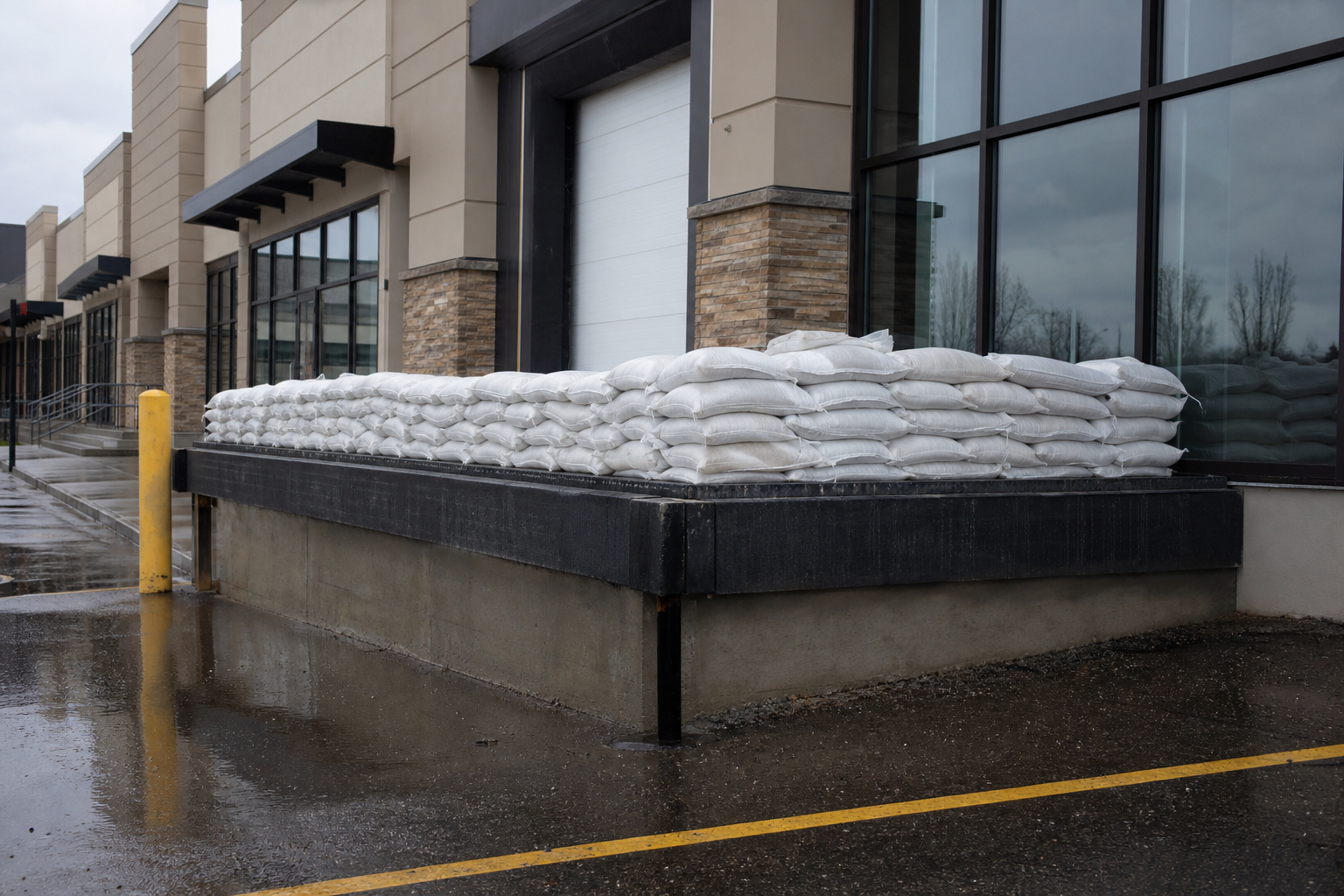
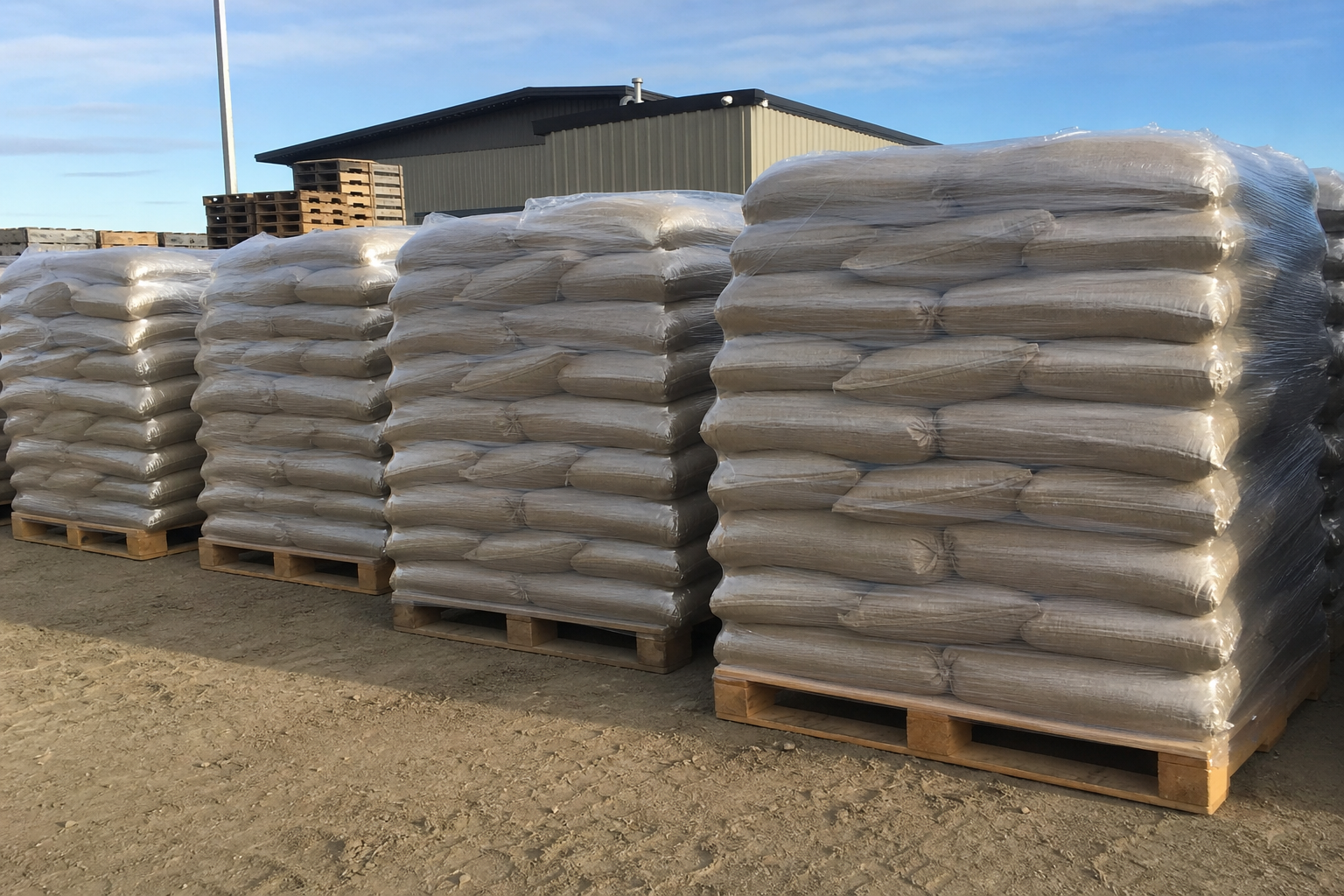
A portfolio flood response can fail even when the total number of sandbags looks generous on paper. The usual problem is distribution. Twenty bags in a maintenance shop do not help a ground-floor suite three kilometres away, and a superintendent cannot safely improvise a pickup while residents are asking for updates. Edmonton Sandbags supplies pre-filled 18 kg hessian bags at $4.99 each, with a minimum order of 10. Start your planning by listing every address, then divide each site into exposure points: garage ramps, basement walkouts, door thresholds, window wells, utility-room doors, loading bays, and low portions of a parking lot. A small apartment may need a reserve for two entrances; a larger complex may need separate bundles for each building and its parkade.
Make the list operational. Record the exact storage location, the number assigned to it, who has access after hours, and the route from storage to the vulnerable opening. A note that says “sandbags in shed” is not enough when the shed is locked and the person with the key is out of town. Put the count and map in the same emergency binder or shared system that holds shutoff locations and vendor contacts. Link a staff-facing digital version to the quote page so a manager can add stock before a forecast event rather than hunting for a supplier at the last minute.
Stage by building type
Condo boards often have a different decision path than rental operators. The board may approve an annual contingency quantity, while the property manager decides when to release it. That arrangement works best when the board has agreed on triggers in advance: spring melt, a drainage warning, a blocked catch basin, or water observed at a designated threshold. Include an authorization amount for urgent replenishment. If an approval meeting is needed while water is entering a ramp, the staging plan is incomplete.
For multi-building rental properties, create a central reserve and local first-response stacks. Local stacks should cover the most likely openings without requiring a vehicle. The central reserve supports the location that becomes the priority, but it should not be the only inventory. Label bags by building rather than by department, and resist borrowing from another building unless the log is updated. This matters during long rain events, when a quick transfer can leave a second site unprotected.
Commercial mixed-use buildings need another layer: protect the circulation and electrical spaces that support several tenants. Coordinate with retail tenants about which doors they can close, where deliveries may be redirected, and who can approve access to rear service areas. Sandbags are a barrier component, not a substitute for clearing drains, checking sump systems, or following building-specific emergency procedures. A property manager should pair staging with those maintenance checks.
Plan for the hours when offices are closed
After-hours response is where a good plan becomes visible. Name a primary and backup decision-maker, a site responder, and a communication owner. The decision-maker authorizes deployment; the responder moves and places bags; the communicator updates residents, board members, tenants, and security. One person can wear more than one hat at a small property, but every role needs a backup. Provide the emergency contact number, 1-888-552-7263, in the response sheet and keep the warehouse address, 4315 118 Ave NW, Edmonton, AB T5W 1A5, alongside it. Edmonton Sandbags offers 24/7 pickup, which can be valuable when an urgent event occurs outside a normal receiving window.
Do not assume a night responder can collect hundreds of bags alone. An 18 kg bag is manageable one at a time but becomes a substantial lifting and loading task in bulk. Arrange a two-person callout for larger placements, provide gloves and weather-appropriate footwear, and identify which vehicle can carry the planned load. If delivery is preferable, factor it into the callout process. Delivery is $0.90 per kilometre, with a $10 minimum for destinations under 10 km. Keep the delivery access instructions current, including gate codes, loading-zone restrictions, and a phone number that will be answered overnight.
Make deployment calm and accountable
When a trigger is met, the responder should first verify that the area is safe. Do not send staff into fast-moving water, unstable slopes, electrical hazards, or traffic exposure. Photograph the threshold before and after placement, note how many bags were used, and keep a small unused reserve nearby. Simple records help the next shift understand what has changed and help the board evaluate replenishment later. They also prevent a misleading inventory count after an event.
Residents need concise instructions, not a technical essay. Tell them which entrance is affected, whether vehicle access changes, who to call for an urgent issue, and whether they should avoid the barrier. For a condo board, add a preapproved message template to the emergency plan. For managers with several properties, use a shared event log so calls do not produce conflicting information. The sandbag stack is only one visible action; organized communication is what makes it part of credible property management.
Review stock after every event
At the end of deployment, inspect bags for damage and account for each location. Replace bags that have been compromised or that are no longer suitable for the next response. Revisit the layout after a near miss: perhaps a parkade ramp required more length than expected, or a storage point was too far from a door. Those observations are more useful than a generic annual reminder. They let you adjust each building’s allocation before the next storm.
For recurring procurement, use the same site list to request a bulk quote and compare it against the season’s planned reserve. Edmonton Sandbags is also SandBags.ca, so keep the supplier name consistent in board minutes, resident notices, and vendor lists. A portfolio does not need identical quantities at every address. It needs deliberate quantities, accessible staging, clear authority, and a response that can function at 2 a.m. as well as during a weekday inspection.
FAQ
How many bags should a condo keep?
Count the openings and lengths that need first-response protection, then keep a local reserve at each building plus a central backup.
Can our staff pick up bags overnight?
Yes. Edmonton Sandbags offers 24/7 pickup at 4315 118 Ave NW, Edmonton, AB T5W 1A5.
What is the minimum bulk order?
Pre-filled hessian sandbags are $4.99 each with a 10-bag minimum.