24/7 Sandbag Pickup at the Edmonton Warehouse
Pickup is most useful when it is planned as a short logistics job. Confirm the order, prepare the vehicle, and know where every 18 kg bag will go when you return.
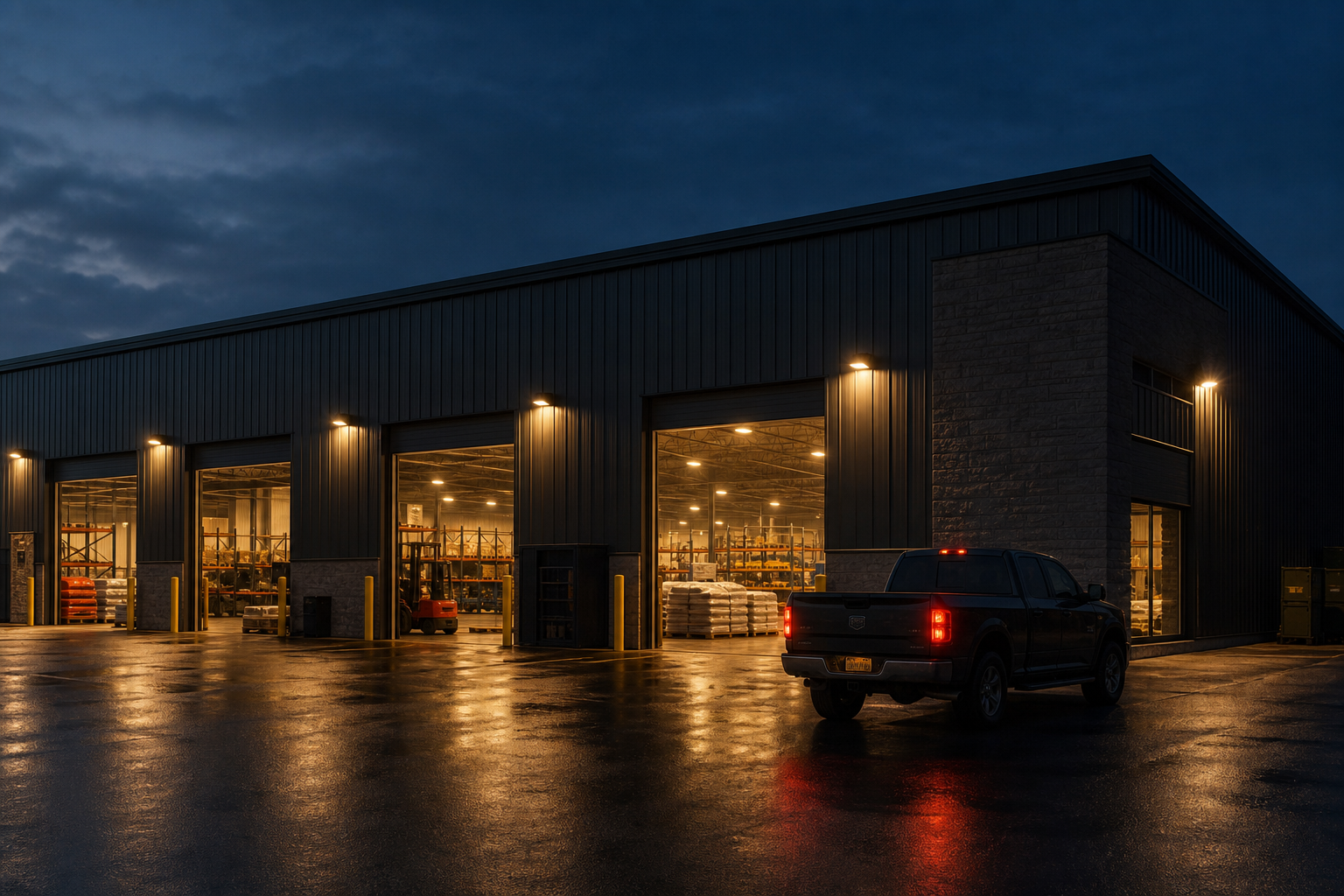
Know where you are going and why
Edmonton Sandbags offers 24/7 pickup at 4315 118 Ave NW, Edmonton, AB T5W 1A5. That availability can make a major difference when a drainage problem appears after normal store hours or a forecast changes overnight. Before you leave, confirm the quantity you need and ensure your order details are ready. The supplier is also known as SandBags.ca, and the contact number is 1-888-552-7263. Save both the warehouse address and telephone number in your phone before driving, especially if you are responding from a site where reception or battery power may be limited.
The bags are pre-filled hessian sandbags weighing 18 kg each. They are $4.99 per bag with a minimum order of 10. Those facts let you make a realistic plan. Ten bags are roughly 180 kg of material, and the load grows quickly from there. The most common pickup mistake is deciding quantity only after arriving, then discovering the vehicle, crew, or storage space cannot safely handle the order. Measure the vulnerable opening beforehand, account for overlapping bags and turns, and order a quantity that matches the barrier you intend to build. If you need help forming the request, start at the quote page.
Prepare the vehicle before pickup
Choose a vehicle with an appropriate payload capacity and enough flat, protected space for the bags. Check the owner’s manual or vehicle label instead of estimating from appearance. A vehicle that looks large can still have a payload limit that is reached by a few dozen heavy bags plus passengers. Keep people and cargo within the manufacturer’s limits. If the required quantity is too large, make a safe alternate plan: use delivery, arrange a suitable truck, or split pickup into appropriate loads rather than overloading one vehicle.
Clear the cargo area first. Remove loose tools, boxes, and items that may be crushed or may puncture a bag. Bring a tarp or liner if you want to protect the vehicle interior, gloves for handling, and tie-downs or other load-securing equipment appropriate to the vehicle. In a pickup truck or trailer, distribute weight evenly and secure the load so bags cannot shift. In an SUV or van, keep the load low and stable and maintain clear sightlines. Never stack cargo where it blocks mirrors, interferes with controls, or creates a risk in a sudden stop.
Bring help, not bravado
Each bag weighs 18 kg. That is a manageable lift for many people when performed correctly, but repeated lifting under time pressure leads to fatigue and strain. Bring a second capable person for anything beyond a very small order. One person can guide placement in the vehicle while another lifts or passes bags, which reduces awkward twisting. Bend at the knees as appropriate, keep the load close to the body, and turn with your feet instead of twisting your torso. If a bag feels unstable or the load position requires an unsafe reach, stop and adjust the setup.
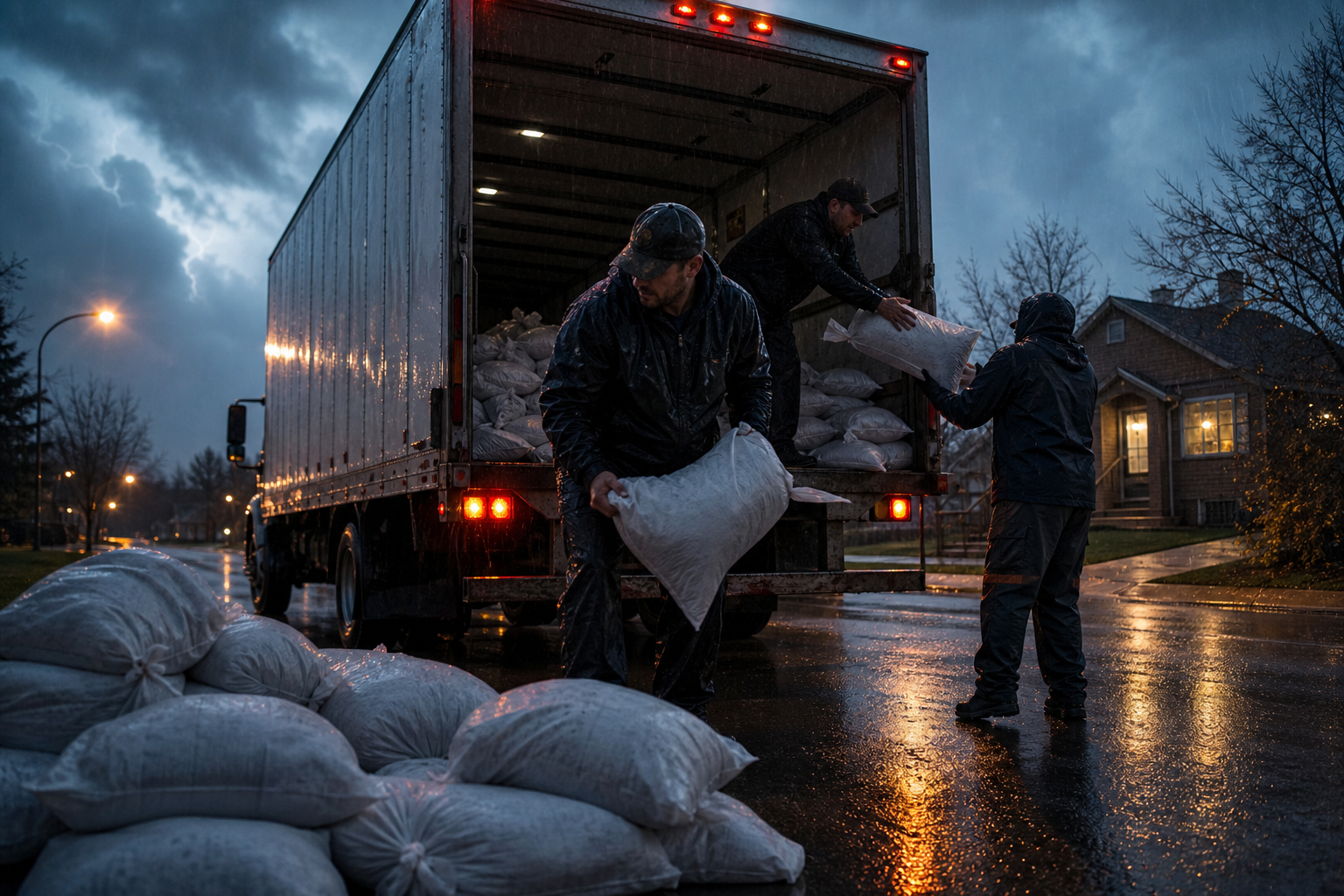
Weather changes the risk. Rain, darkness, snow, mud, and uneven pavement all make loading less predictable. Use lighting, wear footwear with traction, and avoid rushing because an event feels urgent. A safe ten-minute adjustment is better than an injury that removes a responder from the job. For a commercial or condo pickup, name the person responsible for vehicle safety and the person responsible for verifying the bag count. Clear roles prevent the usual “I thought you checked” problem.
Load in the order you will unload
Think about the return trip before the first bag goes into the vehicle. If the bags need to be placed at a rear entrance, and the vehicle will park close to that entrance, arrange the easiest-to-reach bags for the first stage of unloading. If you have two separate sites, keep each group identifiable and avoid mixing them into one unstable pile. Do not load more than you can unload safely at the destination. A bag left at the bottom of a packed vehicle may be difficult to reach when the weather is worse and the crew is tired.
On arrival, park as close as safely permitted to the deployment point. Keep fire lanes, sidewalks, exits, and driveways usable. If the area is busy, use a spotter when backing or when people are walking nearby. Move bags from vehicle to staging spot in small, deliberate groups rather than tossing or dragging them across surfaces that may tear the hessian. Place the bags where they can be used quickly without blocking an evacuation route. For a business, a note on the incident log should record how many bags arrived and who has responsibility for deployment.
Stage first, stack with purpose
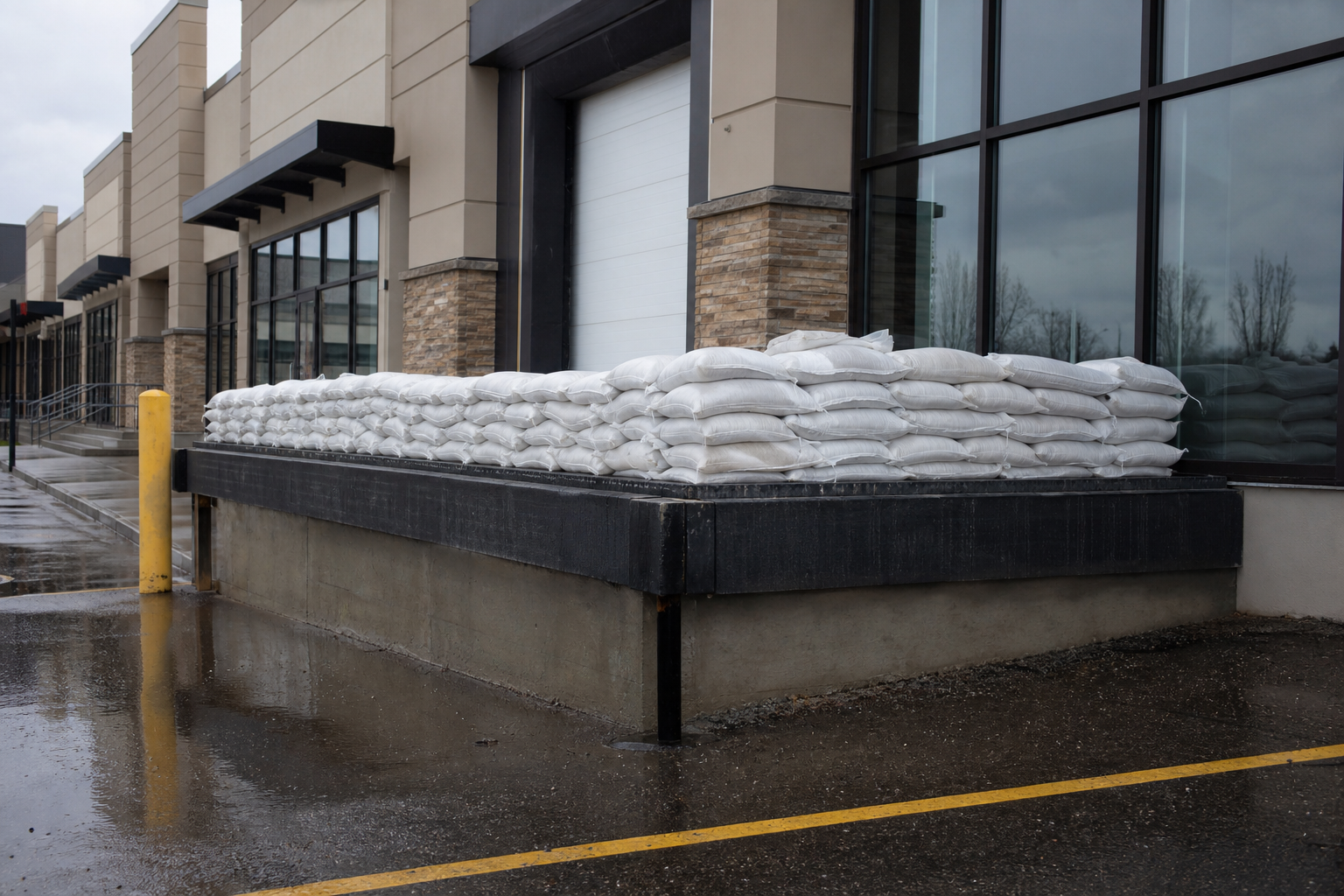
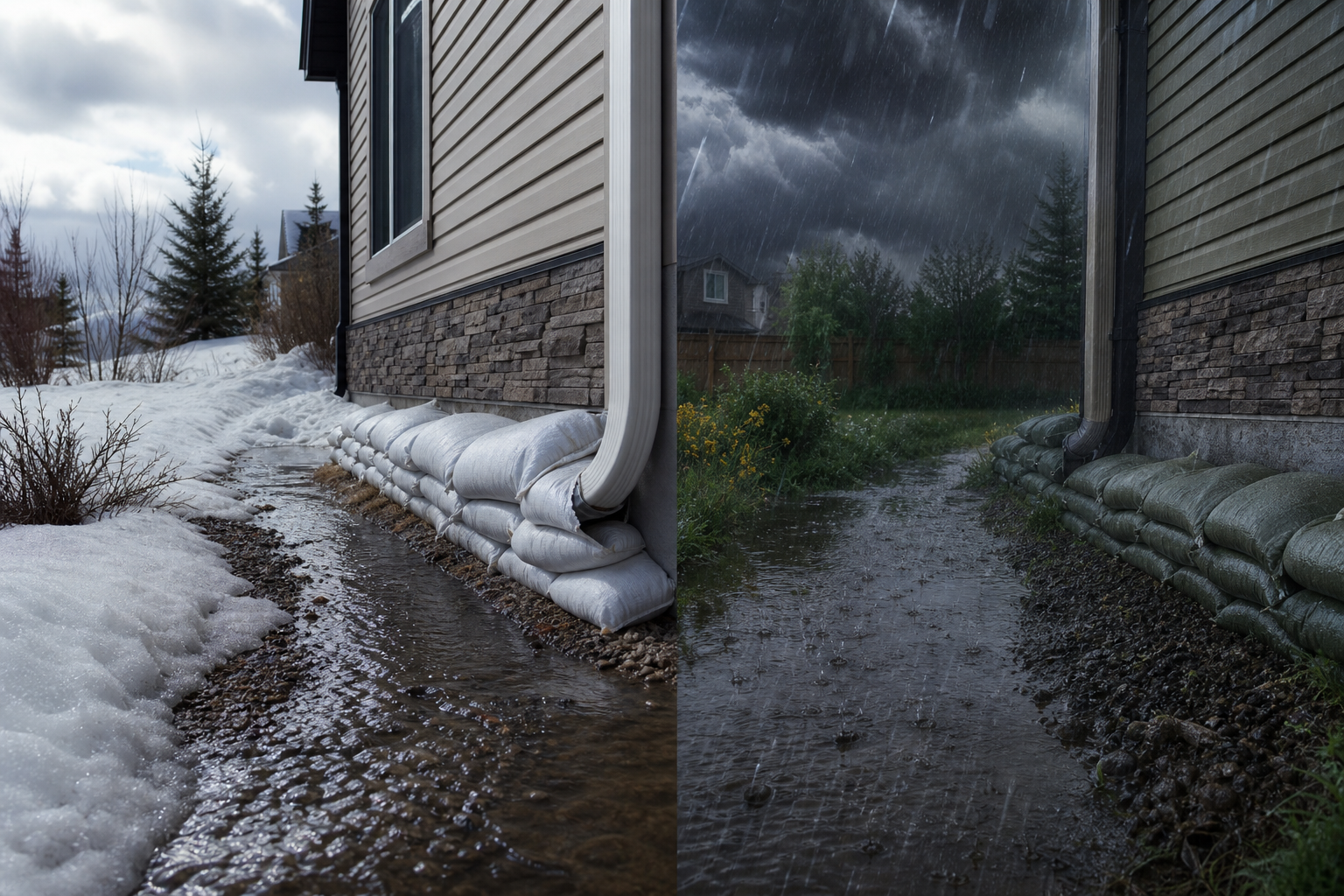
Pickup solves supply, but it does not create a barrier by itself. Stage bags near the protected opening, then build on a clean base with tight, overlapping courses. Stagger joints so water does not have a straight seam to follow, and turn or extend the ends to reduce bypass. If a taller wall is necessary, use a wider base and stepped pyramid shape. Poly sheeting can be installed on the water-facing side and secured with bags. See the stacking instructions for the complete method.
Do not wait until water is flowing through the area to decide where the wall belongs. If conditions allow, do a dry walkthrough of the route from parked vehicle to opening and identify obstacles. Consider where water could go around the ends, whether a drain needs attention, and whether the barrier could obstruct a door needed for safe exit. Sandbags are temporary protection and should be used alongside sensible site actions, such as moving vulnerable contents, monitoring drainage, and following emergency advice.
When pickup is not the best option
24/7 pickup is a useful option, but delivery may better suit a site where no suitable vehicle is available, the required quantity is large, or the only capable person needs to remain on location. Edmonton Sandbags delivery is $0.90 per kilometre, with a $10 minimum for destinations under 10 km. Compare that cost with vehicle capacity, travel time, staff availability, and the safety of making multiple trips. A property manager can also use delivery for a central reserve while arranging local staff to stage it.
Whether you pick up or arrange delivery, finish by documenting the remaining stock and the result of the deployment. Replace used or damaged bags after the event, update the quantity estimate for the next response, and keep the warehouse contact accessible. A prepared vehicle, a measured order, and safe handling turn 24/7 access into genuine readiness rather than a rushed errand.
FAQ
What is the pickup address?
Edmonton Sandbags offers 24/7 pickup at 4315 118 Ave NW, Edmonton, AB T5W 1A5.
How much does each bag weigh?
Each pre-filled hessian sandbag weighs 18 kg.
What should I bring for pickup?
Bring a vehicle within its payload capacity, gloves, and suitable load-securing equipment; bring a helper for larger orders.
Is delivery available instead?
Yes. Delivery is $0.90 per kilometre, with a $10 minimum for destinations under 10 km.